
Alesis Recital
A practical digital piano with semi-weighted keys and 88 keys, best judged on how the keys feel for the way you play.
You do not need to spend a fortune to start playing. This guide explains where it is safe to save under £300, where it is not, and which budget digital pianos we rate.
A good digital piano under £300 covers learning and casual playing without drama. Prioritise weighted (or at least semi-weighted) keys, a pleasant piano sound and a headphone socket, and accept that the savings usually come from a simpler key action, smaller speakers and fewer extras. Avoid the very cheapest no-name keyboards with unweighted keys if you are serious about learning piano.
Under £300 you can find capable instruments aimed at beginners and casual players. At the lower end you will tend to see semi-weighted keys and basic speakers; nearer the top of the budget, fully weighted, hammer-action pianos start to appear. Many include a headphone socket, a sustain pedal input and connectivity for learning apps. Extras like lots of voices and rhythms are common but are not where your money is best spent.
Budget pianos sensibly cut back on things you will not miss every day: a long list of extra voices, fancy displays, premium cabinets and high-end speakers. Smaller built-in speakers are fine if you mostly play through headphones. A simpler design is no problem as long as the keys feel acceptable and the main piano sound is pleasant. You can always add a better stand, pedal or headphones later.
Be wary of saving money on the key action. An unweighted, springy keybed feels nothing like a piano and builds habits you will have to unlearn, so favour weighted or at least semi-weighted keys even on a tight budget. Also check there is a headphone socket for quiet practice, and prefer brands with plenty of genuine owner reviews so you can judge how the action and sound hold up in real homes.
A practical digital piano with semi-weighted keys and 88 keys, best judged on how the keys feel for the way you play.

A practical digital piano with weighted keys, best judged on how the keys feel for the way you play.

A practical digital piano with fully weighted hammer-action keys and 88 keys, best judged on how the keys feel for the way you play.

A practical digital piano with graded hammer action (fully weighted), best judged on how the keys feel for the way you play.

A practical digital piano with hammer-action weighted keys, best judged on how the keys feel for the way you play.

A practical digital piano with 88 keys, best judged on how the keys feel for the way you play.

A practical digital piano with weighted keys and 88 keys, best judged on how the keys feel for the way you play.

A practical digital piano with semi-weighted keys and 32 keys, best judged on how the keys feel for the way you play.
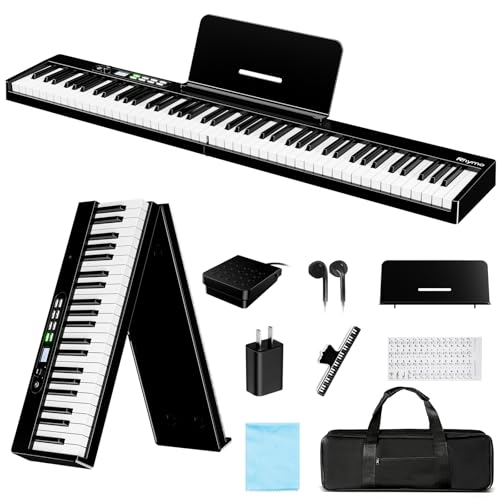
A practical digital piano with semi-weighted keys and 88 keys, best judged on how the keys feel for the way you play.

A practical digital piano with semi-weighted keys and 88 keys, best judged on how the keys feel for the way you play.
Yes, there are capable beginner and casual-player pianos under £300. Prioritise weighted or semi-weighted keys, a pleasant piano sound and a headphone socket, and accept a simpler action and smaller speakers as the trade-offs at this price.
If you want to learn piano properly, it is worth stretching to at least semi-weighted, ideally fully weighted keys. Unweighted keyboards feel nothing like a real piano and encourage technique you later have to unlearn.
The savings usually show up as a simpler key action, smaller speakers and fewer extra features. Decide what matters most to you - usually the key feel and piano sound - and check the headphone socket and owner reviews before price.
Our top pick is the Alesis Recital (our score 9.6/10) - A practical digital piano with semi-weighted keys and 88 keys, best judged on how the keys feel for the way you play..