Korg B2+ vs Roland FP-10
We compare the Korg B2+ and the Roland FP-10 across every dimension that matters - our scores, the key specs, and how each performs on the things you will actually notice day to day.
At a glance
| Korg B2+ | Roland FP-10 | |
|---|---|---|
| Our score | 7.2/10 | 9.1/10 |
| Best for | Beginners and improvers who want a realistic, weighted feel | Casual players and first-timers on a budget |
| Not ideal for | Players wanting a premium acoustic feel or a furniture-style console | Anyone needing fully weighted keys for serious practice |
| Brand | Korg | Roland |
Specifications compared
| Korg B2+ | Roland FP-10 | |
|---|---|---|
| Keys | Natural Weighted Hammer Action Adjustable touch sensitivity | 88 |
| Connectivity | USB Type-C MIDI and audio | Bluetooth MIDI, USB MIDI |
Keys and Action
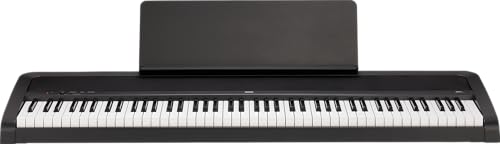
Korg B2+
Natural Weighted Hammer Action drives this digital piano+ playing feel, with the keybed featuring adjustable touch sensitivity so the response can be matched to different playing styles. The action is the main physical highlight, thanks to the naturally weighted hammer-action design built for a more realistic key response. Touch sensitivity can be adjusted for softer or firmer playing, which can matter when moving between practice and rehearsal. In the Korg+ pros and cons view, the keybed supports expressive control. Weight is 11.4 kg, and the transport size is 131.2 x 11.7 x 33.6 cm (D x W x H).
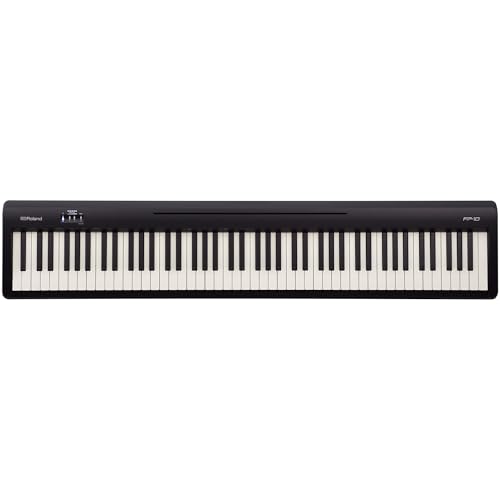
Roland FP-10
This digital piano's FP-10 uses an 88-key layout, and its action is designed to feel like an acoustic piano, with expressive touch and an ivory-feel surface. The keyboard action is a key part of the instrument's real-feel goal, especially for players who practise dynamics and soft-to-loud control. The Roland pros and cons include strong physical response. For practice sessions, the quiet action supports late-hour playing, and the 12.25 kg build helps keep the feel consistent between setups.
Sound and Tone
Korg B2+
After focusing on how the hammer-action keyboard responds, the next thing to look at is how the digital piano+ presents sound through its built-in system and optional private practice setup. Its 15W stereo speakers are tuned for clarity and balanced sound, which helps chords and single notes stay readable. For quieter sessions, the headphone output supports silent practice, useful when rooms are shared. Sound will depend partly on touch and the adjustable touch sensitivity, since harder playing changes expression. Overall, the setup is straightforward.
Roland FP-10
Sound from the digital piano is built around The Roland's piano sound engine, designed to produce a rich, responsive tone that reacts to how the keys are played. This matters because dynamics stay tied to touch rather than feeling fixed. The onboard speakers reproduce playing for room use, while the headphone output supports quiet practice. With the digital piano, softer strikes sound smoother and harder hits sound brighter. Overall, the tonal response supports learning and practice, but extreme sound shaping options are not described.
Built-in Voices and Features
Korg B2+
What stands out first is that the Korg+ includes 12 built-in voices covering piano, electric piano and organ, allowing players to switch sounds without extra gear. This is useful for practice routines where variety matters but setup time should stay low. On Korg B2+ Amazon UK listings, buyers highlight the adjustable touch sensitivity on the Natural Weighted Hammer Action keybed. In addition to voices, the keyboard ships with software including SKOOVE piano lessons, The digital piano and The Korg B2. These extras broaden learning.
Roland FP-10
The Roland FP-10 includes a built-in set of piano-oriented sounds and lesson-friendly features designed for at-home practice. In the Roland, a Piano sound engine supports responsive expression, and lesson support is focused on Twin Piano mode, which lets a student and teacher play side-by-side within shared octave ranges. The Roland FP-10 digital piano also works with the Piano Partner 2 app, which helps select sounds and set a metronome from a smartphone.
Speakers and Volume
Korg B2+
The Korg+ features a built-in 15W stereo speaker system, designed for clear, balanced room projection. For everyday practice in the korg b2+ 2026 setup, the speakers cover typical moderate-volume sessions, while headphone output supports private, silent practice. As a digital piano, it provides two listening paths: speakers for full projection and headphones for focused playing. Volume control is straightforward, though very large rooms may still require additional amplification.
Roland FP-10
The Roland includes built-in speakers, allowing it to play through its own audio without external equipment. These onboard speakers are intended to keep setup simple for home practice and smaller rooms, with quieter listening often handled via headphones. Volume control is managed directly on the piano. When comparing the digital piano price, many shoppers also check This digital piano listings, as bundles and stand options can vary.
Connectivity and Apps
Korg B2+
With USB Type-C connectivity built in, the digital piano+ can link to computers, tablets and smartphones for MIDI and audio use, which is useful when recording or working with music apps. That kind of setup suits many players because it can reduce the need for extra adaptors. The headphone output supports private practice while apps are running.
Roland FP-10
How does the Roland handle modern connections and app support? The FP-10 includes built-in Bluetooth MIDI and a USB MIDI interface, along with a headphone output for private practice. It can connect to GarageBand, computers, and DAW software. The Roland FP-10 app provides sound selection and metronome options using a smartphone. Twin Piano is listed as working with the app's easy control for lessons, and support for the DP-2 foot switch is specified. Overall connectivity supports casual and studio use.
Design and Portability
Korg B2+
USB Type-C connectivity and the accompanying apps can influence how the Korg+ is used day to day, but the instrument's physical design also matters for where it fits in a home or studio. At 11.4 kg, it is not lightweight, yet it is manageable for most setups. Dimensions are 131.2D x 11.7W x 33.6H cm, so it needs a dedicated stand or desk space. The black painted finish looks plain and blends into typical rooms. Its naturally weighted hammer action keyboard feels solid, although transport may be awkward. For buyers comparing the digital piano+, it positions itself as a weighted digital piano.
Roland FP-10
Sleek and compact for a full 88-key digital piano, the digital piano is designed to fit home and practice spaces without dominating the room. At 12.25 kg and 40.5D x 138.3W x 28.2H cm, it can be moved when needed, though it is not lightweight for frequent transport. The lacquered black finish looks neat and works in most rooms, and it comes with a stand, headphones, DP-2 foot switch, and sheet rest. For buyers searching for This digital piano best price UK, the size helps simplify setup in a smaller area, but storage still needs clear space.
Who Is This Digital Piano For?
Korg B2+
This digital piano+ suits players who want a weighted feel and a straightforward feature set in one digital piano. It is a good fit for beginners, because the naturally weighted hammer action, adjustable touch sensitivity, and 12 voices (piano, electric piano, organ) make it easier to start. The question is korg b2+ any good for practice, since it offers 15W stereo speakers plus a headphone output for quieter sessions. It also suits younger players who want a clean design, as it targets all ages and includes a software lesson bundle (SKOOVE, The Korg, The Korg B2).
Roland FP-10
The Roland is a good fit for players who want a full 88-key piano feel at home without needing a heavier stage instrument. It is aimed at beginners as well as returning players looking for a responsive touch, quiet practice, and basic learning features including Twin Piano mode and a metronome via Piano Partner 2. The digital piano can be considered "any good" depending on expectations, because it includes onboard speakers, a headphones output, and supports MIDI connectivity through Bluetooth MIDI and USB-MIDI for GarageBand, computers, and DAWs. It weighs 12.25 kg and ships with a stand, headphones, a DP-2 foot switch, and a rest.
Korg B2+: pros
- Hammer-action weighted keys
- Connectivity: USB-MIDI, headphone output
- Compact for home use
- Straightforward to set up and play
Cons
- Stand, bench and pedal may cost extra
- Built-in speakers rarely match headphone sound quality
Roland FP-10: pros
- Full board (88 keys)
- Connectivity: Bluetooth, USB-MIDI, headphone output
- Bundle includes stand, headphones
- Straightforward to set up and play
Cons
- Key action not specified by the manufacturer
- Built-in speakers rarely match headphone sound quality
Our verdict
Our pick is the Roland FP-10 (our score 9.1/10) - A practical digital piano with 88 keys, best judged on how the keys feel for the way you play. The Korg B2+ is still worth it if it is cheaper when you check, or if it better matches your specific needs.